
Unveiling the evolution of gambling A look into casino history
The Ancient Origins of Gambling
Gambling has roots that trace back to ancient civilizations, where it served not only as entertainment but also as a means of divination and social bonding. Archaeological evidence suggests that the earliest gambling artifacts emerged in China around 2300 BC, where games of chance were often played using tiles. Similarly, the Romans and Greeks embraced gambling, incorporating it into their culture through board games and betting on events like gladiator fights. These early forms of gambling laid the groundwork for what would evolve into structured gaming establishments, including modern platforms like lizarocasinos-uk.com.

In ancient Rome, for instance, gambling was so prevalent that it often led to legal regulations aimed at curbing excesses. Both citizens and emperors participated in betting activities, highlighting its popularity. These historical references indicate that gambling was not merely a pastime but a significant cultural element that influenced social interactions. The desire for risk and reward transcended societal classes, marking the beginning of an enduring fascination with games of chance.
As time progressed, various cultures introduced their unique gaming methods, further enriching the tapestry of gambling history. The invention of playing cards in the 9th century in China revolutionized gambling, leading to a plethora of card games that would dominate the landscape for centuries. The spread of these games through trade routes brought gambling to Europe, igniting a passion for casino-style gaming that would flourish in the following centuries.
The Rise of Gambling Houses
The concept of dedicated gambling establishments began to materialize in the 17th century, particularly in Italy. The first official casino, the Ridotto, was established in Venice in 1638, allowing the aristocracy to enjoy gaming in a controlled environment. This marked a significant shift from informal gambling gatherings to organized venues, setting standards for gambling etiquette and regulations. The success of the Ridotto spurred the creation of more casinos across Europe, each offering a variety of games, from dice to card games, and eventually roulette.
Throughout the 18th century, gambling houses became synonymous with luxury and opulence, attracting the elite and wealthy. The allure of these establishments was not just the games but also the ambiance and social interaction they provided. Guests dressed in their finest attire, as casino etiquette emphasized a certain decorum. This period marked the birth of a new social scene, where people gathered not only to gamble but to network and socialize, reinforcing the status of casinos as centers of high society.
However, as gambling gained popularity, so did concerns regarding addiction and fraud. Governments began to step in, implementing regulations to control the industry. While many casinos thrived, others faced closures due to illegal activities. This balance between entertainment and regulation has continued throughout the history of gambling establishments, shaping the modern casino landscape we see today.
The Emergence of Modern Casinos
The 19th century brought significant advancements in casino operations with the rise of the gaming industry, particularly in France. The introduction of the modern roulette wheel and the establishment of prestigious gaming houses in Paris, such as Casino de Spa and Casino de Monte-Carlo, transformed the gambling experience. These casinos not only offered new games but also became tourist attractions, drawing visitors from around the world eager to partake in the thrill of gambling. The allure of glamour and wealth associated with these establishments marked a critical juncture in casino history.
By the late 19th and early 20th centuries, gambling had crossed the Atlantic, with Las Vegas and Atlantic City emerging as prominent gambling hubs in the United States. The legalization of gambling in Nevada in 1931 led to a boom in casino development, forever changing the landscape of American entertainment. Las Vegas rapidly evolved from a small desert town into the “Gambling Capital of the World,” showcasing extravagant casinos and world-class entertainment, cementing its status as a must-visit destination for gamblers.
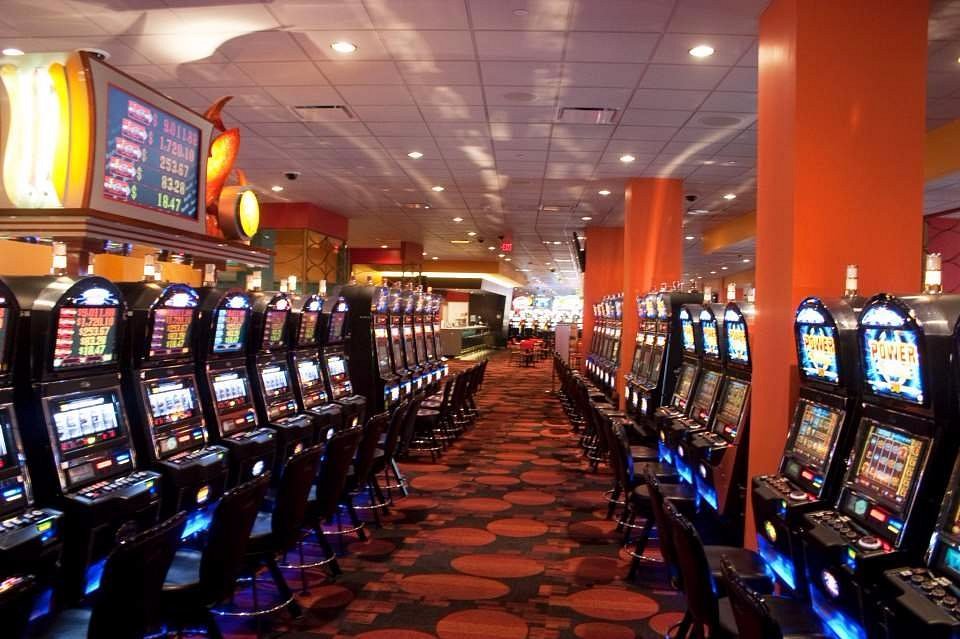
Modern casinos have expanded beyond traditional card and table games to include an array of gaming options, including slot machines and electronic games. They often feature luxurious amenities such as fine dining and entertainment shows, creating a comprehensive entertainment experience. The evolution of technology has also influenced casinos, leading to the integration of online gaming platforms that allow players to gamble from the comfort of their homes, thus ushering in a new era of gambling.
The Role of Technology in Gambling Evolution
As we moved into the 21st century, technology has played a pivotal role in the transformation of gambling. The advent of the internet revolutionized how players accessed games, leading to the emergence of online casinos that offer a vast selection of games and betting options. Players now have the ability to gamble anytime and anywhere, expanding the reach of gambling beyond traditional brick-and-mortar establishments. This digital transformation has created a new realm of possibilities, catering to diverse audiences and preferences.
Mobile technology further enhanced the gambling experience, allowing players to use smartphones and tablets to access their favorite games on the go. This convenience has led to the rapid growth of mobile casinos, with developers creating apps and websites that offer seamless gaming experiences. Live dealer games, which allow players to interact with real dealers via streaming technology, have added a social element that mimics the casino environment while maintaining the convenience of online play.
However, the rise of online gambling has also raised concerns about responsible gaming and regulatory challenges. Many jurisdictions are now implementing strict regulations to ensure player safety and fair play. As technology continues to evolve, so will the frameworks governing the industry, striving to balance innovation with the protection of players. This ongoing evolution reflects a dynamic landscape where gaming practices adapt to societal changes, ensuring that gambling remains relevant and responsible.
Exploring Lizaro Casino’s Offerings
Founded in 2025, Lizaro Casino is at the forefront of the online gaming industry, offering British players an extensive selection of over 10,000 games from over 79 renowned providers. Its platform is designed to cater to various gaming preferences, from classic slots to immersive live dealer experiences, ensuring that players find entertainment that suits their tastes. By prioritizing user experience and game variety, Lizaro Casino has positioned itself as a premier destination for online gamblers.
Security is paramount in the online gaming world, and Lizaro Casino employs advanced encryption technology to safeguard player information and transactions. This commitment to security ensures that users can engage in gaming activities with peace of mind. Furthermore, the casino promotes responsible gaming practices, providing players with tools and resources to help manage their gaming habits effectively.
New players at Lizaro Casino are welcomed with a generous bonus, offering a 250% match up to €3,000 along with 350 free spins, making it an attractive option for those entering the online gaming landscape. Regular promotions and cashback offers keep the gaming experience engaging for seasoned players. As Lizaro Casino continues to grow, its commitment to innovation and customer satisfaction remains steadfast, ensuring a bright future in the ever-evolving world of online gambling.